2026-10-14 ·
Preventing Mold After Minor Leaks in Naples Kitchens and Bathrooms
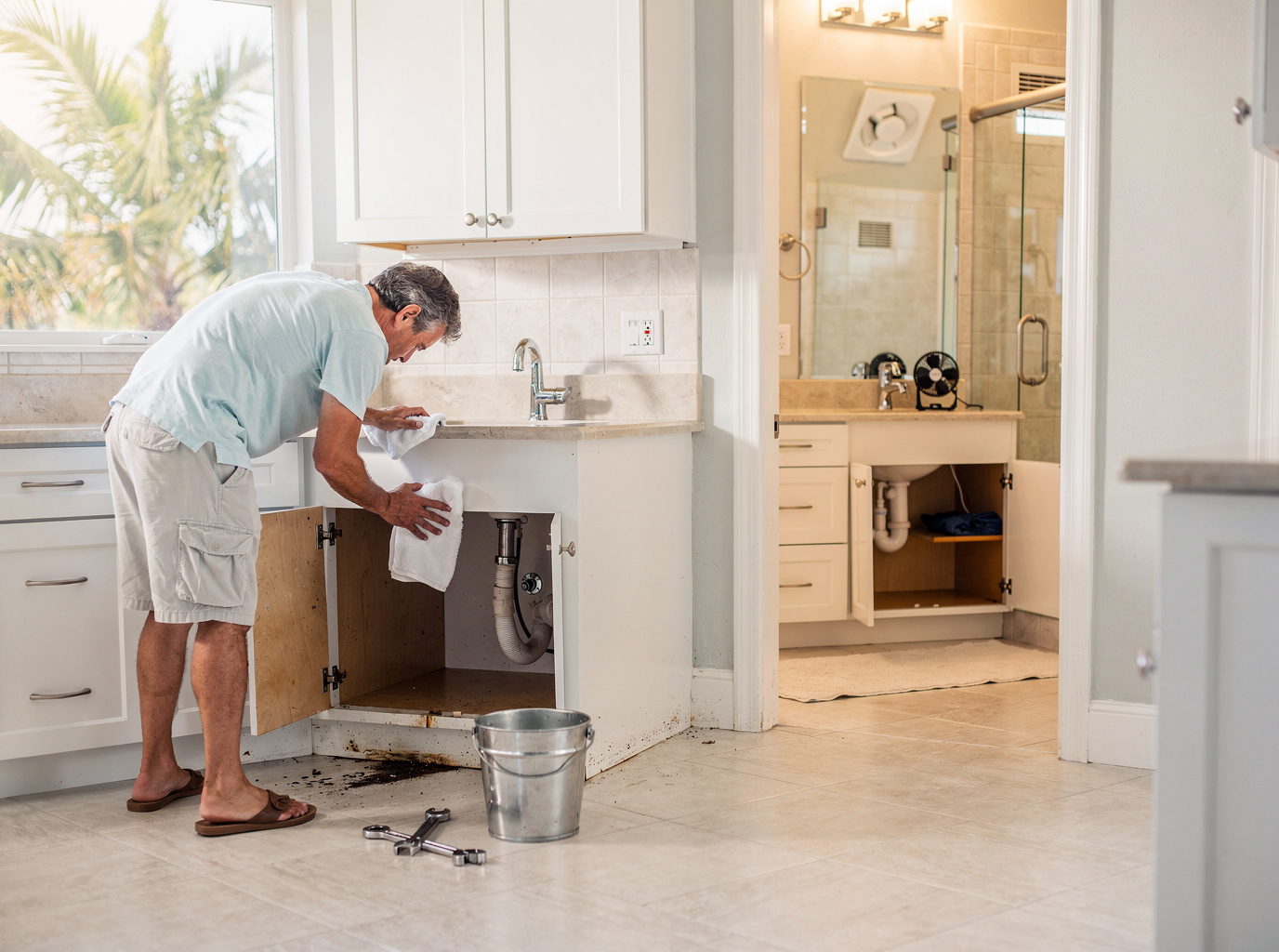
Act within 24-48 hours to prevent mold after minor leaks in Naples kitchens and bathrooms. In Collier County homes, especially those in Old Naples and Aqualane Shores with plumbing from the 1970s and 1980s, even a slow drip under a sink or behind a shower valve spreads quickly once winter humidity stays elevated. Warm temperatures year-round keep surfaces damp longer than in drier regions, so surface drying alone rarely suffices.
Spotting Leaks in Naples Kitchens and Bathrooms
Check under sinks, around dishwasher connections, and at toilet bases first because these spots sit against drywall that absorbs water fast in local construction. Homes in Port Royal and Downtown Naples often feature tile over concrete slabs, so water travels laterally under cabinets before homeowners notice discoloration on baseboards. Use a moisture meter on adjacent drywall rather than relying on visible stains alone. Pay attention after heavy afternoon storms that push humidity above 80 percent and keep bathroom exhaust fans running for an extra 20 minutes post-shower. Older supply lines in these neighborhoods corrode at joints, creating slow leaks that stay hidden until mold odor appears.
Drying Wet Materials Before Mold Forms
Remove standing water with towels and a wet vac, then direct air movement across the affected area for at least 48 hours. In Naples kitchens, pull out the toe-kick panel under cabinets to expose the subfloor so air reaches trapped moisture. Run dehumidifiers set to 45-50 percent relative humidity because the local climate rarely drops below that level naturally. Place fans to create cross-ventilation between the leak site and an open window or door. Check carpet padding and drywall corners daily with a meter; readings above 15 percent moisture content signal continued risk. Skip bleach on porous materials since it only treats surface growth and leaves roots intact inside the substrate.
When Professional Mold Removal Becomes Necessary
If moisture readings stay elevated after three days or black spots appear on drywall behind appliances, contact a specialist for Residential Mold Removal. Technicians use containment barriers and negative air machines sized for the room volume, which homeowners rarely replicate. In bathrooms near the Naples Pier or Fifth Avenue South, where salt air accelerates corrosion on fixtures, hidden mold often travels into wall cavities. Early intervention limits the job to the immediate leak zone rather than requiring full Bathroom Mold Removal later. Document every step with photos and meter readings for insurance purposes if the leak traces back to a plumbing failure.
Long-Term Prevention Steps for Local Homes
Install stainless-steel braided supply lines rated for 10-15 years on all kitchen and bath fixtures, then replace them on schedule rather than waiting for failure. Add a secondary drain pan under dishwashers and water heaters with an automatic shutoff valve tied to a leak sensor. Improve ventilation by upgrading exhaust fans to models rated at 80-100 CFM and tying them to humidity-sensing switches. In Aqualane Shores and Royal Harbor properties built on fill, ensure proper grading around the foundation so rainwater does not pool against exterior walls that back up to interior plumbing walls. Schedule annual inspections of shutoff valves and caulk lines around tubs and showers before the wet season begins. These steps reduce repeat calls for Water Damage Restoration in the same locations.
Monitoring After Storms and Seasonal Humidity Spikes
Track weather patterns because Collier County sees frequent afternoon thunderstorms that raise indoor humidity even without direct roof leaks. After each event, recheck previously dry areas around plumbing penetrations for 72 hours. How High Humidity Affects Drying After Water Damage in Naples explains why standard box fans alone fail when dew points remain above 70 degrees. Keep a simple digital hygrometer in each bathroom and kitchen to catch spikes before they allow spore germination on organic materials like wood trim or paper-faced drywall.